October 2026

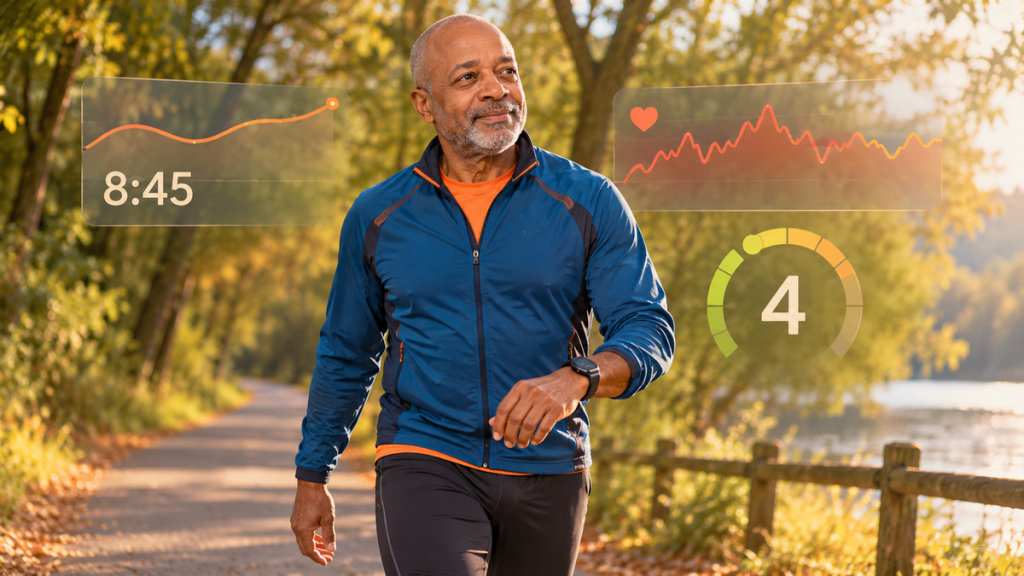
Magnus using RPE for running beside pace and heart-rate data after an easy run

RPE for Running: The Number My Watch Can’t Measure

Garmin can record pace, heart rate and cadence, but it can’t feel the run. At 68, I use RPE as the human signal that helps CoachChat interpret the numbers, especially when conditions change or a sensor misbehaves.

, , , , , ,

RPE for Running: The Number My Watch Can’t Measure Read Post »

AI Running Coach Experiment, Running After 50, Testing & Data
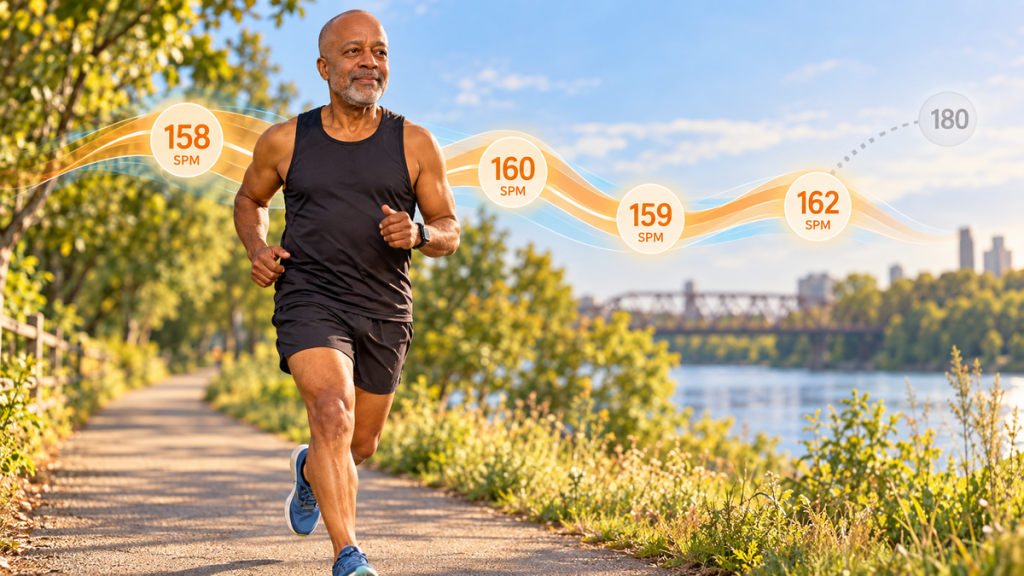
Older Black runner reviewing his natural running cadence without chasing 180 steps per minute

Running Cadence Over 50: Why I’m Not Chasing 180 SPM

At 68, my easy-run cadence often sits well below the famous 180-SPM target. I looked at what the number really means, what the research supports and why my AI coach treats cadence as evidence, not a command.

, , , , ,

Running Cadence Over 50: Why I’m Not Chasing 180 SPM Read Post »

AI Running Coach Experiment, Running After 50, Testing & Data, Training Tips
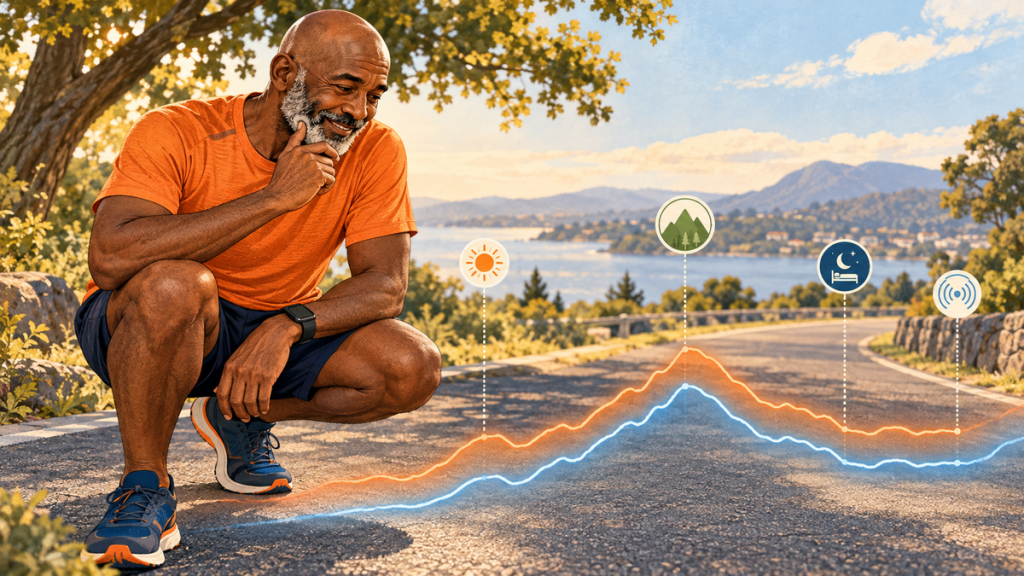
Older Black runner reviewing provisional heart rate zones after an easy run

Heart Rate Zones for Runners Over 50: Why Mine Are Provisional

My watch can divide a run into tidy coloured zones. The untidy question is whether those zones describe me. Here’s how I used a field baseline, RPE, breathing and later runs to create provisional numbers without pretending they’re laboratory results.

, , , , ,

Heart Rate Zones for Runners Over 50: Why Mine Are Provisional Read Post »

Experiment
Scroll to Top