Longevity

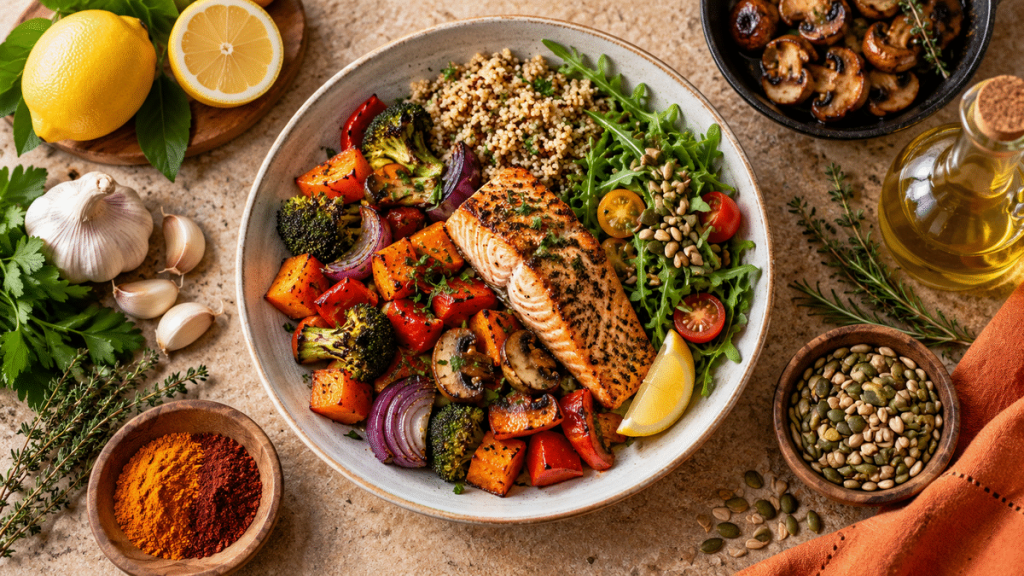
Colourful no-added-sodium meal with lemon, herbs, garlic, mushrooms, spices, olive oil and toasted seeds

Do You Wanna Cut Salt? How I Make No-Added-Sodium Food Taste Complete

I do not want to add sodium when I cook. That’s the rule I’ve settled on in my own kitchen. Table salt, sea salt, kosher salt, potassium-chloride substitutes and MSG are all off the table. So are high-sodium sauces or seasoning blends sneaking in through the side door. That doesn’t mean every ingredient I eat

, , , , ,

Do You Wanna Cut Salt? How I Make No-Added-Sodium Food Taste Complete Read Post »

Health & Wellness, Longevity
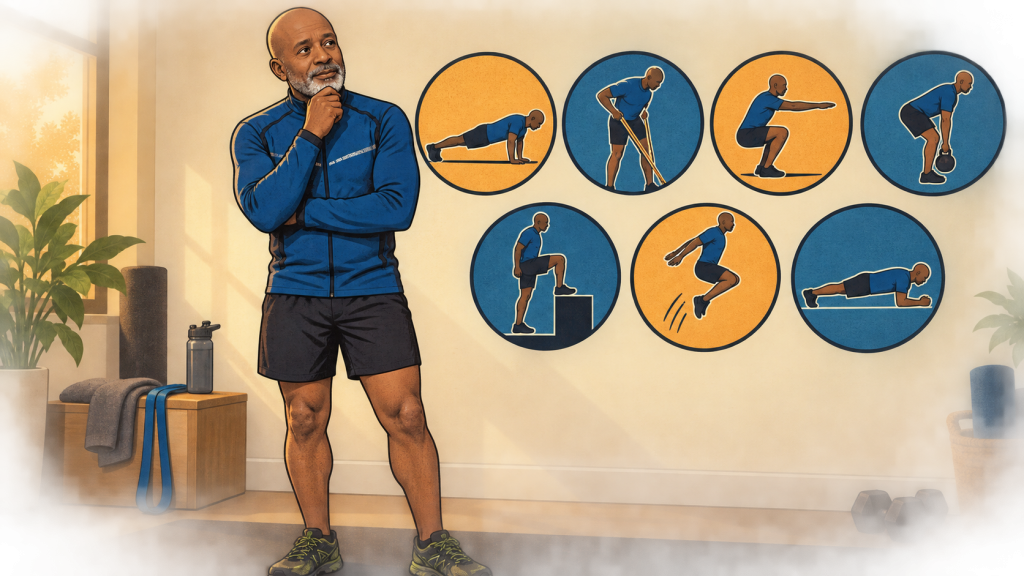
Older Black runner reviews a seven-movement strength framework for runners over 50.

Minimum Strength Training for Older Runners: My Seven-Movement Framework

The internet can give an older runner hundreds of “essential” exercises. I used AI to help reduce the noise to seven movement needs, then kept the exercises I will actually do.

, , , , , , , , , ,

Minimum Strength Training for Older Runners: My Seven-Movement Framework Read Post »

Longevity, Running After 60, Strength & Mobility, Strength Training
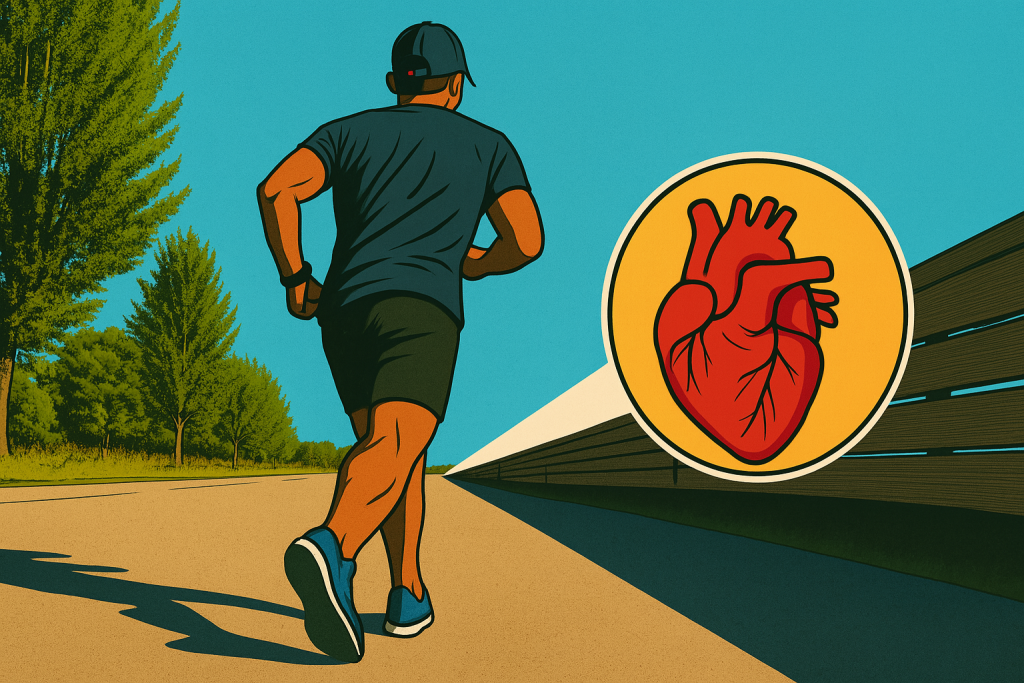
A muscular middle-aged Black man runs away from the camera on a sunlit path, with both calf muscles highlighted in red heart-shaped overlays to symbolize the “second heart” concept.

The Calf Muscle: Your Second Heart (And Why You Should Train It Like One)

🏁 The Forgotten Heart The calf muscle is often called the “second heart.” Sounds poetic, but it’s backed by hard physiology: when your calves contract, they pump blood back up toward your heart, improving circulation, preventing blood pooling, and even helping with recovery. But here’s the part we often miss: We intentionally train our primary

, , , , , ,

The Calf Muscle: Your Second Heart (And Why You Should Train It Like One) Read Post »

Longevity, Recovery, Strength & Stability
Scroll to Top